Local SEO Basics for RV Parks That Drive Bookings
If you’ve heard the term SEO but aren’t exactly sure where to begin, you’re not alone. Local SEO basics for RV parks can feel technical or overwhelming at first, but the truth is, the foundation is simpler than most park owners think. At its core, local SEO is about helping nearby travelers find your park when they search on Google or explore Google Maps.
When someone types “RV park near me” or searches for campgrounds in your region, Google decides which properties to show first. Understanding the local SEO basics for RV parks gives you the power to influence that visibility. And when your park shows up consistently, bookings become more predictable instead of seasonal guesswork.
“Local SEO basics for RV parks aren’t about complicated algorithms — they’re about clarity, consistency, and showing up where travelers are already looking. When you focus on the fundamentals and execute them well, visibility builds momentum and bookings follow.”
- Asher Stefani, CEO
What Is Local SEO and Why Does It Matter for RV Parks?
If you’re new to SEO, it helps to strip away the jargon and focus on what actually matters. Local SEO is simply the process of optimizing your online presence so your RV park appears when nearby travelers search for places to stay. It connects your park to people who are actively looking — not just browsing.
When someone searches for “RV park near me” or types in your city plus “campground,” Google evaluates which businesses are the most relevant, trustworthy, and geographically close. That’s where local SEO basics for RV parks come into play.
What are local SEO basics for RV parks?
Local SEO basics for RV parks are the foundational steps that help your park rank higher in Google search and Maps results, including optimizing your Google Business Profile, targeting location-based keywords, earning reviews, and maintaining consistent business information across the web.
Beyond the definition, local SEO matters because visibility drives decisions. Most travelers won’t scroll endlessly through search results. They click what appears first, what has strong reviews, and what looks trustworthy.
For RV park local SEO to work, Google needs clear signals about:
- Your location
- Your services and amenities
- Your relevance to local search terms
- Your credibility through reviews and engagement
When those signals are aligned, your park becomes easier to discover — and easier to book.
If you want a deeper dive into advanced strategies beyond the fundamentals, you can explore our full guide to local SEO for RV parks, which breaks down more competitive and technical tactics in detail.
The 3 Core Local SEO Basics Every RV Park Needs
When it comes to local SEO basics for RV parks, you don’t need dozens of advanced tactics to see results. You need to execute a few fundamentals consistently and correctly. These three core areas create the foundation for stronger visibility and steady bookings.
Optimize Your Google Business Profile
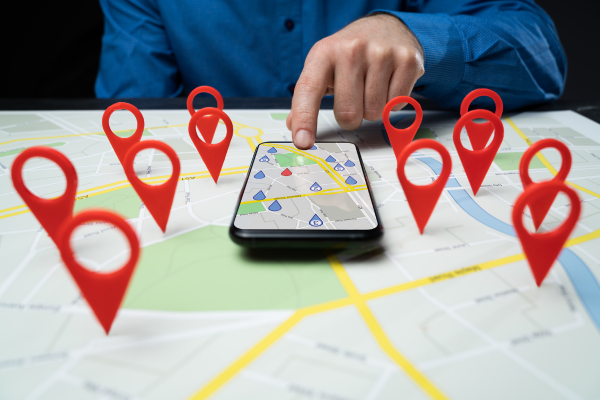
Your Google Business Profile for RV parks is often the first impression travelers see. It controls how your park appears in Google Maps and local search results, including reviews, photos, amenities, and contact details.
Start with the basics:
- Choose the correct primary category (RV Park or Campground)
- Ensure your name, address, and phone number are accurate
- Upload high-quality, recent photos
- List amenities clearly (full hookups, WiFi, pet-friendly, etc.)
- Encourage satisfied guests to leave reviews
Google uses this information to determine whether your park is relevant and trustworthy. A fully optimized profile significantly improves your RV park local SEO and helps you show up for location-based searches.
Target the Right Local Keywords
If you want to understand how to rank your RV park on Google, keyword targeting is essential. Local keyword optimization simply means aligning your website content with the phrases travelers are actually typing into search engines.
Examples include:
- “RV park near [city name]”
- “campground in [region]”
- “full hookup RV sites near me”
These phrases should naturally appear in your homepage, service pages, and blog content. This helps Google understand your location and relevance.
If you’re new to SEO and want a deeper understanding of how search engines evaluate keywords, Moz’s Beginner’s Guide to SEO is a helpful foundational resource.
Build Consistent Local Signals
The third pillar of local SEO basics for RV parks is consistency. Google looks for matching information across directories, review platforms, and your website to confirm legitimacy.
Focus on:
- Consistent name, address, and phone number (NAP)
- Listings on trusted directories
- Earning ongoing reviews
- Maintaining a mobile-friendly website
- Fast page load speed
This process is often referred to as local search optimization for campgrounds, and it reinforces your credibility in Google’s eyes.
If you’re working to boost your campground’s online visibility beyond just the basics, layering in additional strategies can further strengthen results.
Common Beginner Mistakes in RV Park Local SEO
When implementing local SEO basics for RV parks, most mistakes don’t come from doing too little — they come from misunderstanding what actually moves the needle. The good news? These errors are easy to fix once you recognize them.
Ignoring Your Google Business Profile
Many park owners claim their profile but never fully optimize or update it. Outdated photos, missing amenities, and inconsistent business hours can reduce visibility and credibility.
Your Google Business Profile for RV parks is not a one-time setup — it’s an ongoing visibility asset.
Inconsistent Contact Information
If your name, address, or phone number differs across directories, Google may struggle to trust your listing. Even small variations (like “Rd.” vs. “Road”) can create inconsistencies.
RV park local SEO depends heavily on uniform information across platforms.
Targeting the Wrong Keywords
Some parks try to rank for broad national terms like “best RV park in America.” That’s unrealistic and unnecessary.
Instead, focus on local intent phrases and geographic keywords that align with how to rank your RV park on Google within your service area.
Local SEO is about proximity and relevance — not global reach.
Expecting Instant Results
SEO builds momentum over time. Unlike paid ads, it doesn’t deliver overnight spikes. The basics require consistency, review generation, and content updates.
The parks that see the strongest results from local search optimization for campgrounds are the ones that treat it as a long-term visibility strategy — not a short-term experiment.
Quick Action Checklist for Local SEO Basics
If you’re just getting started, focus on these local SEO basics for RV parks before worrying about advanced tactics:
- Claim and fully optimize your Google Business Profile
- Ensure your name, address, and phone number are consistent across directories
- Add location-based keywords naturally to your homepage and key pages
- Encourage satisfied guests to leave Google reviews
- Upload high-quality, recent photos of your park and amenities
- Make sure your website loads quickly and works well on mobile devices
- Track your visibility and traffic through Google Search Console or Analytics
You don’t need complicated strategies to begin seeing improvement. Consistent execution of these fundamentals creates a stronger foundation for RV park local SEO and long-term visibility growth.
How long does local SEO take for RV parks?
Local SEO typically takes several weeks to show measurable improvement, with stronger results building over three to six months as Google recognizes consistent signals, reviews, and optimized content.
Conclusion: Start with the Basics, Build Long-Term Visibility
Local SEO basics for RV parks don’t require complicated strategies or technical expertise to get started. When you focus on optimizing your Google Business Profile, targeting the right local keywords, and maintaining consistent information across platforms, you create a strong visibility foundation that compounds over time.
The parks that rank consistently aren’t always the largest or the most established — they’re the ones that execute the fundamentals with consistency. As your visibility improves, more travelers discover your park, trust your reviews, and choose you over competitors.
If you’re ready to move beyond the basics and build a structured local growth strategy tailored to your location and competition, CampCurrent can help you map out the next steps. Start simple, stay consistent, and let your visibility turn into steady bookings.
- By Asher
- No Comments